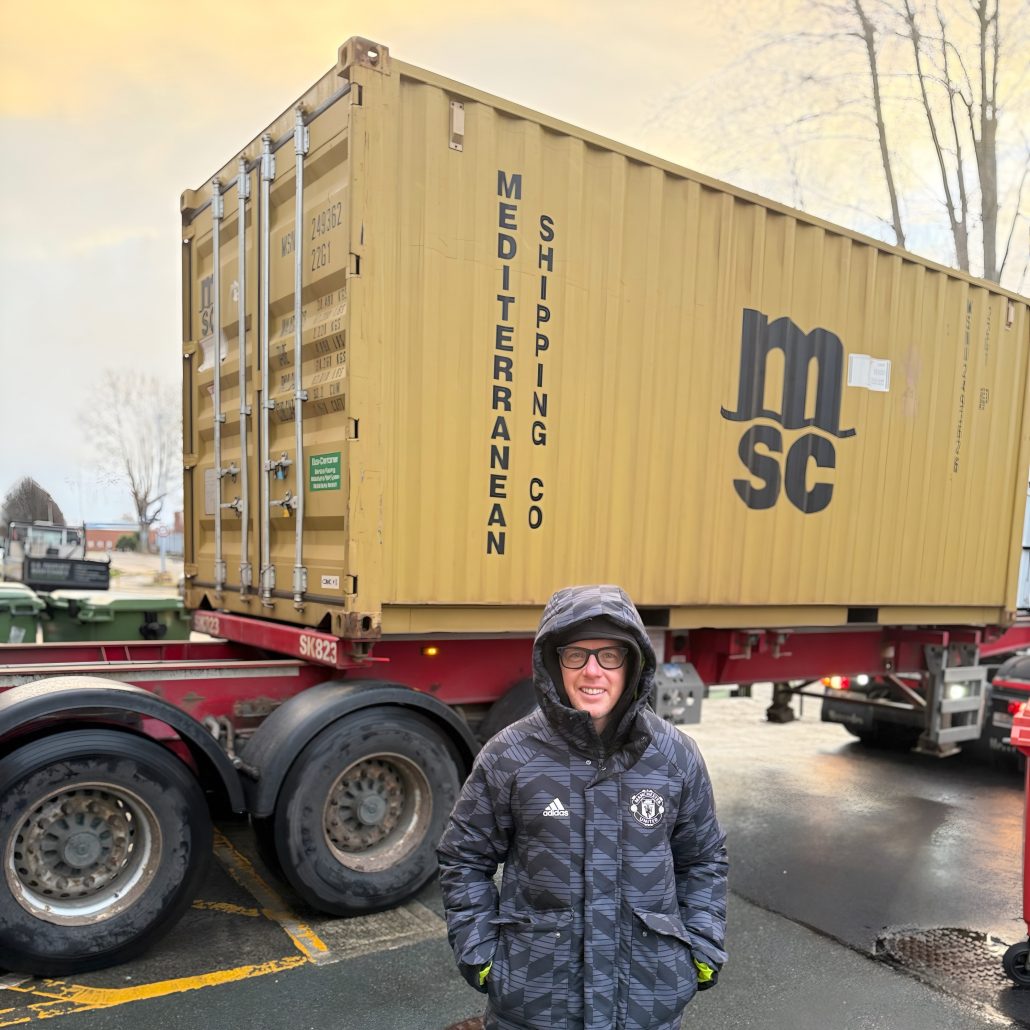
Last week, 300 bags of coffee landed in Dublin. The day was wet, slow, and delayed.
Dublin port hasn’t made things easy, but the moment we finally had the container at the warehouse, it didn’t matter. I didn’t even need the door open six inches before the air hit me: cherries, red berries, and sweetness. The aroma of these natural coffees filled the air and transported me back to Nyamasheke.
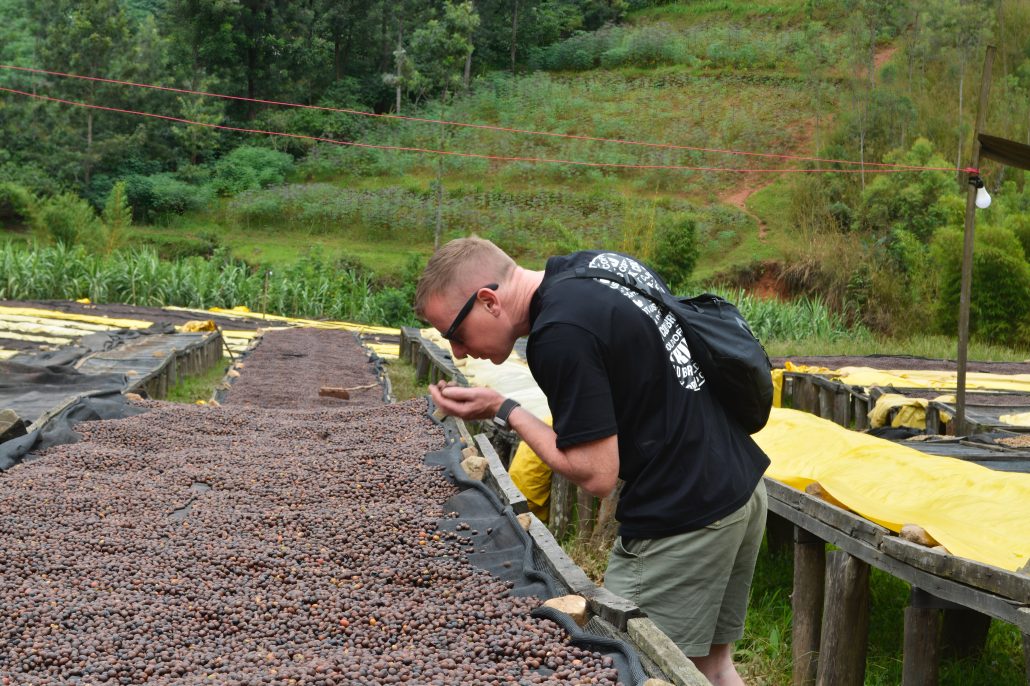
These are natural and anaerobically fermented coffees, all carefully chosen on my trip to Rwanda in May with Gasharu. On that trip, I cupped them fresh at the wash station, smelled the fruit and flowers on the tables, tasted the sweetness and depth, and knew immediately these coffees deserved to travel across the world. The naturals are stunning: red bourbon, notes of mango, papaya, red apple, cherry berries, with subtle rose notes. Espresso or filter, they reveal layers that linger on the palate. The anaerobics bring energy and brightness, complementing the naturals and creating a spectrum of flavours unlike anything else.
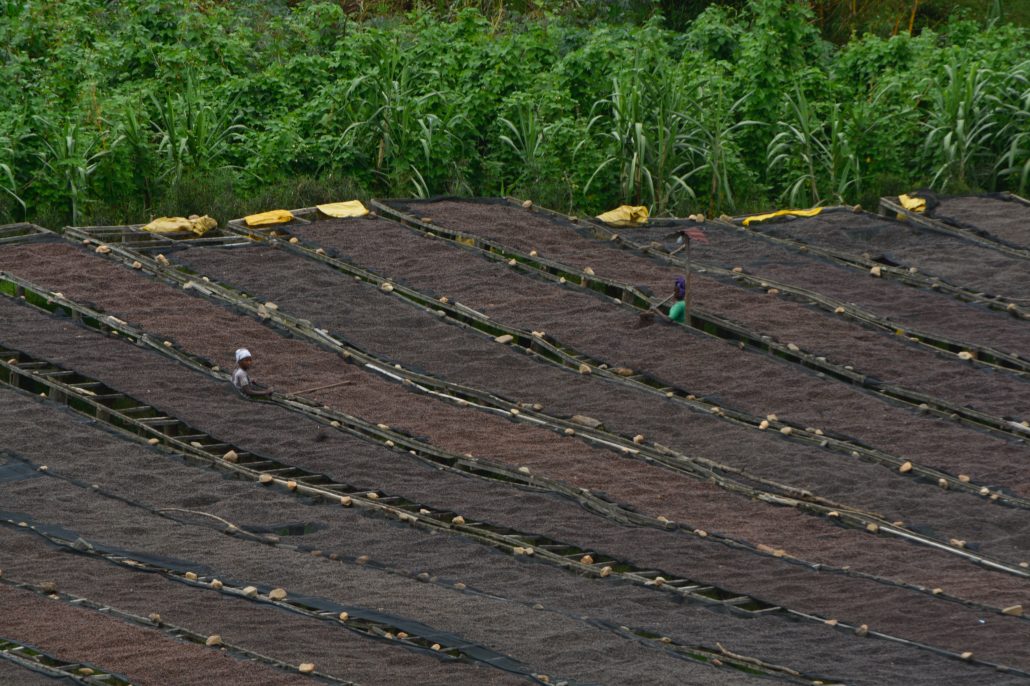
This shipment is the start of two new blends this year, likely debuting at Dublin Coffee Festival. Each bag carries the journey from the hands that processed it in Rwanda to the challenges of shipping, and finally to the moment it sits clean, dry, and ready for roasting.
Walking through the warehouse after unloading, I could still smell the coffee even with the doors barely open. It’s the smell of ripe fruit, of careful work, of something special waiting to be roasted. For anyone curious about natural and anaerobic coffees, this is what it’s about: sweetness, complexity, depth, and a little piece of Rwanda in every cup.
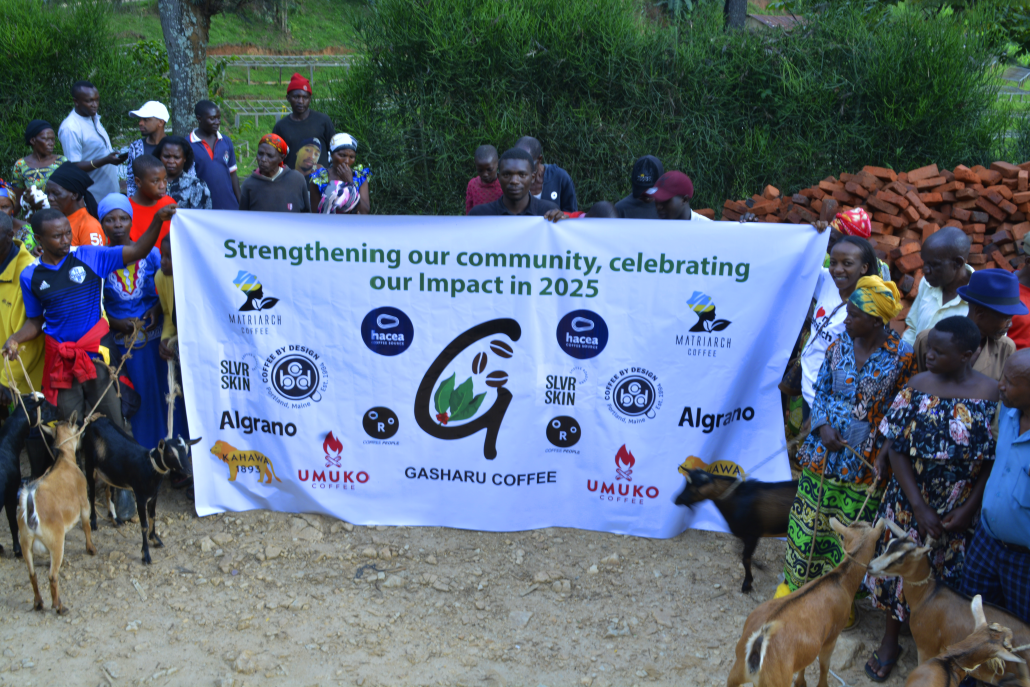
Women’s Crown and Social Impact
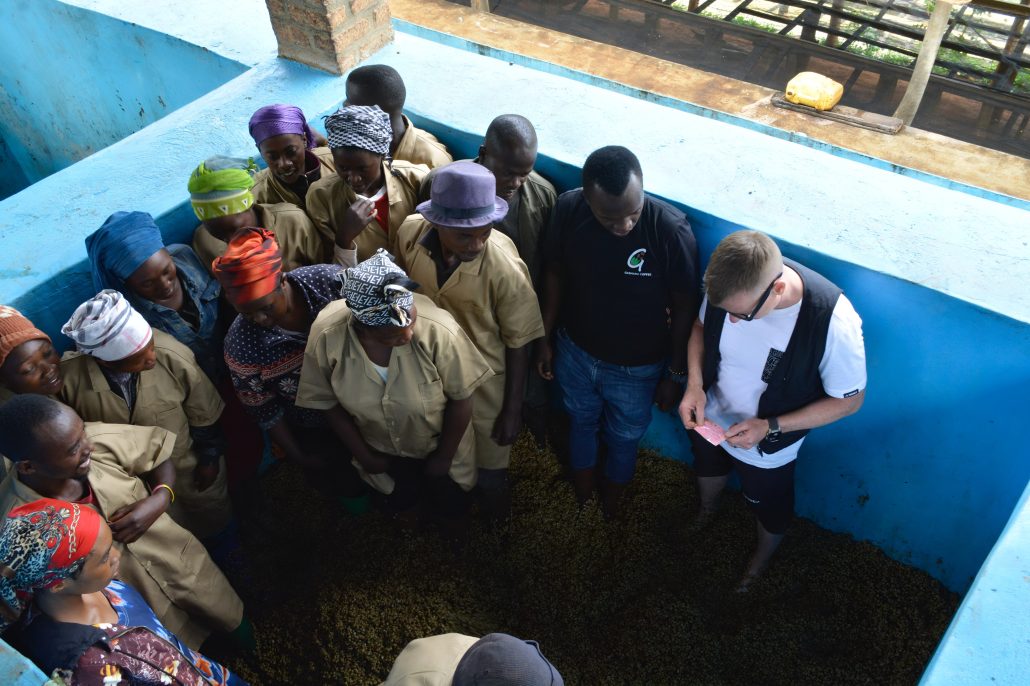
At the heart of this coffee’s story are the women who make it possible. In Rwanda, more than 80 percent of the workforce at Gasharu Coffee are women, and the Urugori “Women’s Crown” programme exists to recognise their work and strengthen their communities. Urugori is the symbolic crown given to women after their first birth, a sign of motherhood, respect, and societal contribution, and this initiative brings that spirit into the coffee value chain by empowering the women who process these coffees entirely by hand. Through training, financial support, and access to markets, the programme lifts barriers that many women face in farming and beyond, and brings tangible benefits to their households, health coverage, and economic resilience. When you choose this coffee, the value doesn’t just come home in taste, it goes directly to the people who grew, cared for, and processed these beans with skill and pride.